Lemon balm is a delightful herb that brings a refreshing citrus flavor to your kitchen without any actual lemons. This versatile plant, scientifically known as Melissa officinalis, has been cherished for centuries in culinary and medicinal traditions.
Whether you’re looking to create a soothing herbal tea, infuse desserts with a subtle zest, or craft homemade cocktails, a lemon balm recipe offers endless possibilities for both seasoned cooks and kitchen beginners alike.
The beauty of working with lemon balm lies in its gentle flavor profile and ease of preparation.
Unlike more aggressive herbs, lemon balm lends itself beautifully to both hot and cold applications, making it perfect for year-round enjoyment. From simple infusions to complex culinary creations, you’ll discover that this humble herb can elevate everyday dishes into memorable meals.
Ingredients for Lemon Balm Recipe
| Ingredient | Amount |
|---|---|
| Fresh lemon balm leaves | 8-10 leaves (roughly 1 ounce) |
| Water | 2 cups |
| Raw honey | 1-2 tablespoons (optional) |
| Fresh lemon juice | ½ teaspoon (optional) |
| Dried chamomile flowers | 1 teaspoon (optional) |
How To Make Lemon Balm Herbal Tea
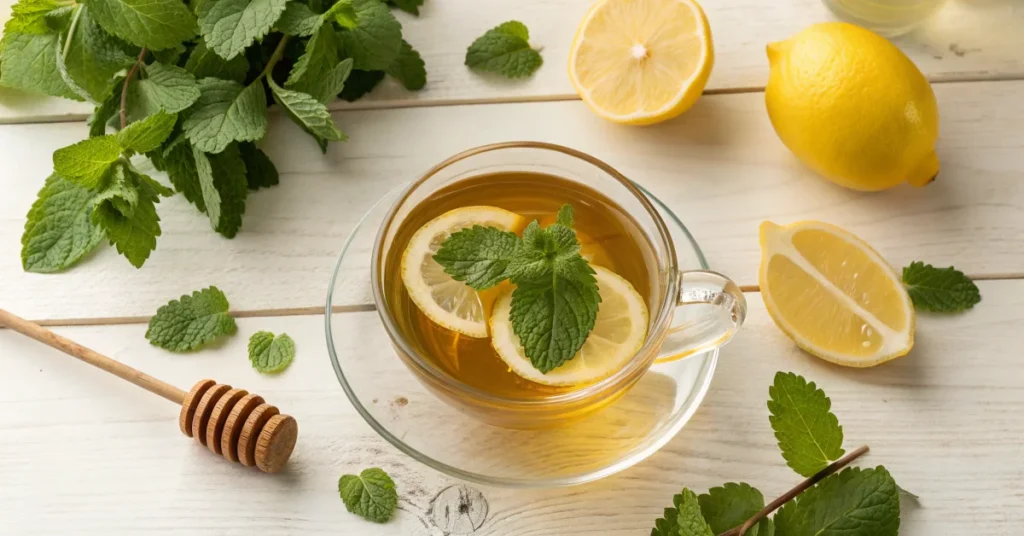
Prepare the lemon balm: Gently rinse fresh lemon balm leaves under cool running water to remove any dust or debris. Pat dry with a clean kitchen towel. If using dried lemon balm, measure out approximately one teaspoon per cup of water.
Heat the water: Bring 2 cups of fresh, filtered water to a boil in a kettle or small saucepan. For the most delicate flavor, let the water cool for about 2-3 minutes after boiling, as temperatures around 160-170°F are ideal for brewing herbs gently.
Steep the herbs: Place the lemon balm leaves (and chamomile if using) into a teapot or infuser. Pour the hot water over the leaves and allow them to steep for 5-7 minutes. Longer steeping creates a stronger flavor, while shorter times yield a more delicate taste.
Strain carefully: Pour the brewed tea through a fine-mesh strainer into your cup, catching all leaf fragments. Discard the spent herb material or compost it for an eco-friendly option.
Enhance the flavor: Stir in honey while the tea is still warm for natural sweetness and additional health benefits. Add a squeeze of fresh lemon juice if desired, which complements the citrus notes beautifully.
Serve immediately: Enjoy your lemon balm tea while warm, or allow it to cool and serve over ice for a refreshing cold version perfect for warm afternoons.
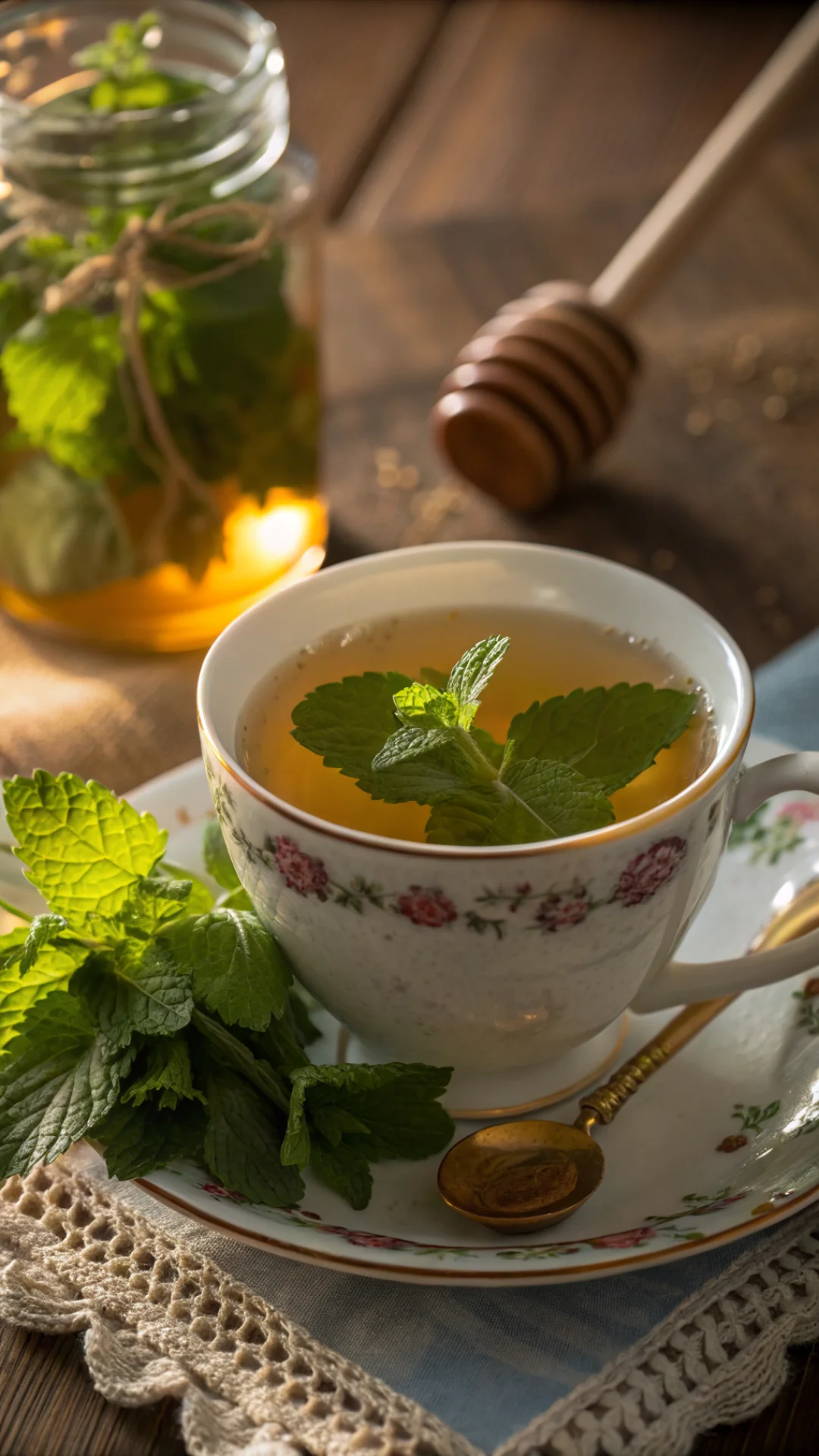
Tips and Tricks
Harvest at the right time: Pick lemon balm leaves in the morning after the dew dries but before the sun becomes too intense. This ensures maximum flavor and essential oil content.
Dry your own herbs: Tie small bundles of lemon balm with twine and hang them in a dark, well-ventilated space for 1-2 weeks. Store dried leaves in airtight glass jars away from direct sunlight.
Freeze for later: Blanch fresh lemon balm briefly, pat dry, and freeze in ice cube trays with a little water. Pop out cubes as needed for tea or cooking.
Combine with complementary herbs: Pair lemon balm with mint, chamomile, lavender, or ginger for unique flavor profiles and enhanced benefits.
Make concentrated infusions: Use more lemon balm leaves and less water to create a concentrated syrup perfect for sweetening cold drinks or cocktails.
Quality water matters: Use filtered or spring water for the cleanest taste that lets lemon balm’s delicate flavor truly shine.
Temperature control is key: Avoid boiling water directly on delicate herb leaves, as excessive heat can destroy beneficial compounds and create a bitter taste.
Delicious Variations to Try
Once you master the basic lemon balm tea recipe, explore exciting variations that showcase this versatile herb’s potential.
Create a Lemon Balm Lemonade by preparing a concentrated lemon balm infusion, then mixing it with fresh lemon juice, water, and honey for a naturally flavored summer beverage.
For a sophisticated twist, try a Lemon Balm Cocktail by muddling fresh leaves with simple syrup, adding gin or vodka, fresh lemon juice, and club soda—the herb’s bright notes pair beautifully with spirits.
Culinary applications extend far beyond beverages. Infuse whipped cream with lemon balm for a unique topping on desserts, or incorporate finely chopped leaves into butter for an elegant finishing touch on fish or vegetables.
Lemon Balm-Infused Honey is remarkably simple: gently warm raw honey with fresh lemon balm leaves, let cool, then strain and store for drizzling over yogurt, cheese, or in tea.
Don’t overlook savory possibilities—lemon balm complements chicken, seafood, and light pasta dishes wonderfully.
Try creating a Lemon Balm Pesto by blending fresh leaves with garlic, olive oil, nuts, and Parmesan cheese. This sauce brings brightness to grilled vegetables, roasted potatoes, or lean proteins.
These variations demonstrate why lemon balm deserves a permanent place in your herb collection and kitchen repertoire.
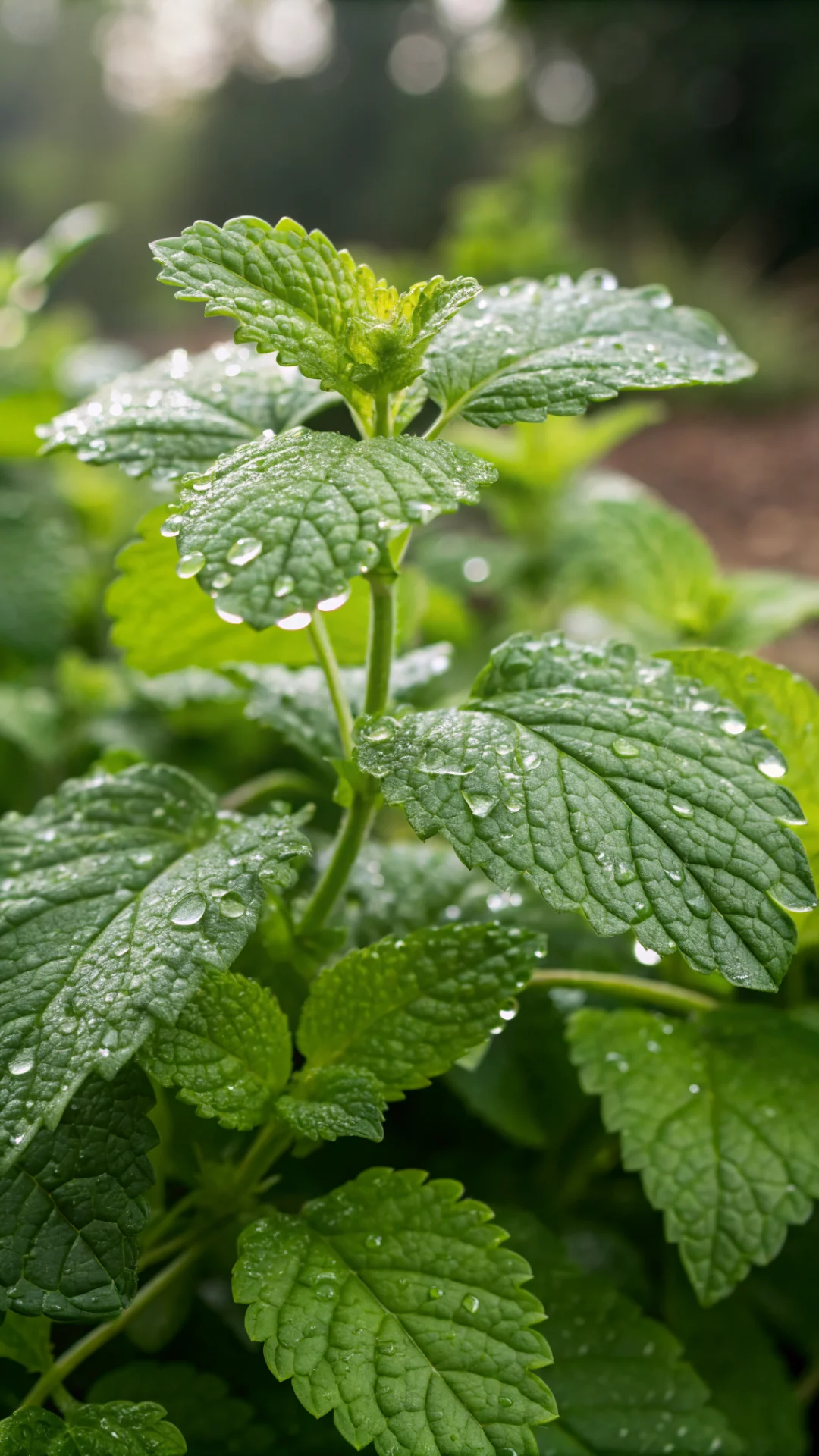
Frequently Asked Questions
Can I use dried lemon balm instead of fresh?
Yes, absolutely. Dried lemon balm is more concentrated, so use approximately one-third the amount of fresh leaves. For tea, one teaspoon of dried leaves per cup of water works perfectly. Dried herbs require similar steeping times but may develop a slightly earthier flavor compared to fresh varieties.
How long does homemade lemon balm tea stay fresh?
Freshly brewed lemon balm tea is best consumed within a few hours of preparation. If you’ve made unsweetened tea, refrigerate it in an airtight glass container for up to 24 hours. Adding honey or lemon juice can extend shelf life slightly, but for optimal flavor and potential health benefits, fresh preparation is recommended.
Is lemon balm safe for children and pregnant women?
Lemon balm is generally recognized as safe for most people, including children, and is often recommended for calming restless behavior. However, pregnant and nursing women should consult their healthcare providers before consuming herbal teas regularly, as recommendations vary by individual health circumstances and medical history.
Final Thoughts
Creating your own lemon balm recipe at home is an accessible, rewarding way to bring fresh herbs into your daily wellness and culinary routine.
Whether you’re sipping a calming cup of tea on a quiet morning, impressing dinner guests with a sophisticated cocktail, or experimenting with creative culinary applications, lemon balm proves itself to be an invaluable addition to any kitchen.
The simplicity of these recipes belies their potential to enhance both ordinary days and special occasions.
Start with the basic tea recipe, then let your creativity guide you toward discovering your favorite applications for this remarkable herb. With minimal investment and maximum flavor return, lemon balm truly offers something special for everyone.
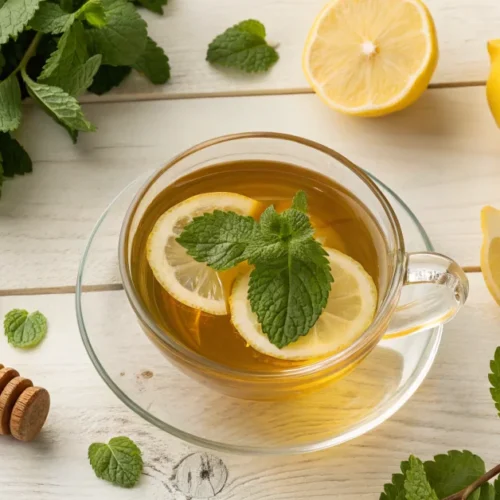
Lemon Balm Herbal Tea
Ingredients
- 8 leaves Fresh lemon balm leaves roughly 1 ounce
- 2 cups Water filtered or spring water preferred
- 1 tablespoon Raw honey optional, for sweetness
- 0.5 teaspoon Fresh lemon juice optional, for extra citrus flavor
- 1 teaspoon Dried chamomile flowers optional, for additional calming benefits
Instructions
- Rinse fresh lemon balm leaves under cool water and pat dry with a clean towel.
- Heat 2 cups of filtered water in a kettle until it reaches a boil, then let cool for 2-3 minutes until temperature drops to 160-170°F.
- Place lemon balm leaves and chamomile (if using) into a teapot or infuser.
- Pour hot water over the herbs and steep for 5-7 minutes, depending on desired strength.
- Strain the tea through a fine-mesh strainer into your cup, discarding spent herbs.
- Stir in honey while tea is warm, add lemon juice if desired, and serve immediately.
- For iced tea, allow to cool completely and serve over ice with fresh lemon balm leaves as garnish.