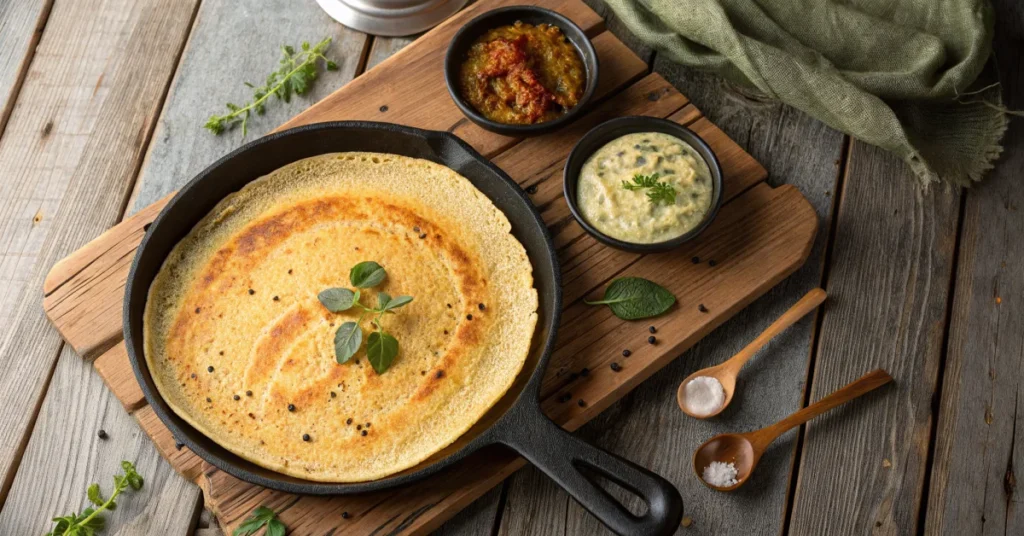
If you’re looking for a nutritious twist on the classic South Indian dosa, this foxtail millet dosa recipe is exactly what you need. Foxtail millet, also known as kangni or thinai, transforms the traditional rice-based dosa into a protein-rich, fiber-packed breakfast that’s both delicious and wholesome.
The nutty flavor of foxtail millet pairs beautifully with the fermented batter, creating crispy dosas that are lighter on the stomach and perfect for health-conscious food lovers.
Once you master this recipe, you’ll find yourself making these nutritious dosas regularly for breakfast, brunch, or even light dinners.
Why You’ll Love This Foxtail Millet Dosa Recipe
This foxtail millet dosa recipe stands out for numerous reasons beyond just being healthy. The dosas turn out incredibly crispy on the outside while maintaining a soft, tender interior.
The fermentation process creates natural probiotics that support gut health, making these dosas easier to digest than their unfermented counterparts. Foxtail millet is packed with iron, calcium, and B-vitamins, making each dosa a nutritional powerhouse.
Ingredients for Foxtail Millet Dosa
| Ingredient | Amount |
|---|---|
| Foxtail millet | 1 cup |
| Urad dal (split black gram) | 1/2 cup |
| Fenugreek seeds | 1 teaspoon |
| Salt | 1 teaspoon |
| Water | As needed |
| Oil or ghee | For cooking |
How To Make Foxtail Millet Dosa
Rinse and soak the grains: Thoroughly wash the foxtail millet under running water until the water runs clear. In a large bowl, soak the foxtail millet for 4-6 hours. In a separate bowl, soak the urad dal and fenugreek seeds together for 4-6 hours. Proper soaking ensures smooth grinding and better fermentation.
Grind the urad dal: Drain the urad dal and fenugreek seeds. Transfer them to a wet grinder or high-powered blender. Add about 1/2 cup of water gradually and grind to a smooth, fluffy batter. The batter should be light and airy with a slightly thick consistency. Transfer this to a large fermentation vessel.
Grind the foxtail millet: Drain the soaked foxtail millet completely. Grind it with approximately 3/4 cup water to form a smooth batter. The consistency should be slightly grainy but mostly smooth. Add this millet batter to the urad dal batter in the fermentation vessel.
Mix and ferment: Combine both batters thoroughly using your hands, which helps introduce beneficial bacteria. The batter should have a flowing yet thick consistency. Cover the vessel with a lid and let it ferment in a warm place for 8-12 hours or overnight. In colder climates, place it in a preheated oven with the light on.
Check fermentation: The batter is ready when it has doubled in volume, appears fluffy with tiny air bubbles, and has a slightly sour aroma. Add salt and mix gently. If the batter is too thick, add water to achieve a pourable consistency similar to buttermilk.
Prepare the pan: Heat a non-stick or cast-iron dosa tawa over medium-high heat. Sprinkle a few drops of water on the tawa; if they sizzle and evaporate immediately, the pan is ready. Reduce heat to medium.
Spread the dosa: Pour a ladleful of batter in the center of the tawa. Using the back of the ladle in circular motions, spread the batter outward from the center to form a thin, round dosa. Fill any gaps with a little extra batter.
Cook until crispy: Drizzle 1 teaspoon of oil or ghee around the edges and on top of the dosa. Cook for 2-3 minutes until the bottom turns golden brown and crispy. You’ll see the edges lifting slightly when ready.
Flip and finish: Carefully flip the dosa using a flat spatula and cook the other side for 1-2 minutes until lightly golden. The first side should be crispier than the second.
Serve hot: Remove the dosa from the tawa and serve immediately with coconut chutney, sambar, or any chutney of your choice. Repeat the process with the remaining batter, stirring it gently before each dosa.
Tips and Tricks
- Soak adequately: Proper soaking is crucial for smooth grinding. Don’t skip or reduce the soaking time as it affects the texture of your dosas.
- Fermentation environment: Temperature plays a vital role in fermentation. In winter, place the batter in a warm spot like near a heater or inside an oven with just the light on.
- Batter consistency: The batter should be pourable but not too thin. It should coat the back of a spoon. Adjust with water as needed before making each dosa.
- Pan temperature: A properly heated pan is essential for crispy dosas. If the batter sticks or doesn’t spread well, the pan might not be hot enough.
- Don’t over-mix: After fermentation, stir the batter gently. Aggressive mixing can deflate the air bubbles that contribute to fluffy dosas.
- Season the pan: If using a cast-iron tawa, season it properly by rubbing with oil and an onion half before making the first dosa.
- Storage: Store leftover batter in the refrigerator for up to 3-4 days. Bring it to room temperature before making dosas for best results.
- Experiment with ratios: You can adjust the foxtail millet to urad dal ratio based on preference. More urad dal makes softer dosas, while more millet increases the nutritional value.
Delicious Variations to Try
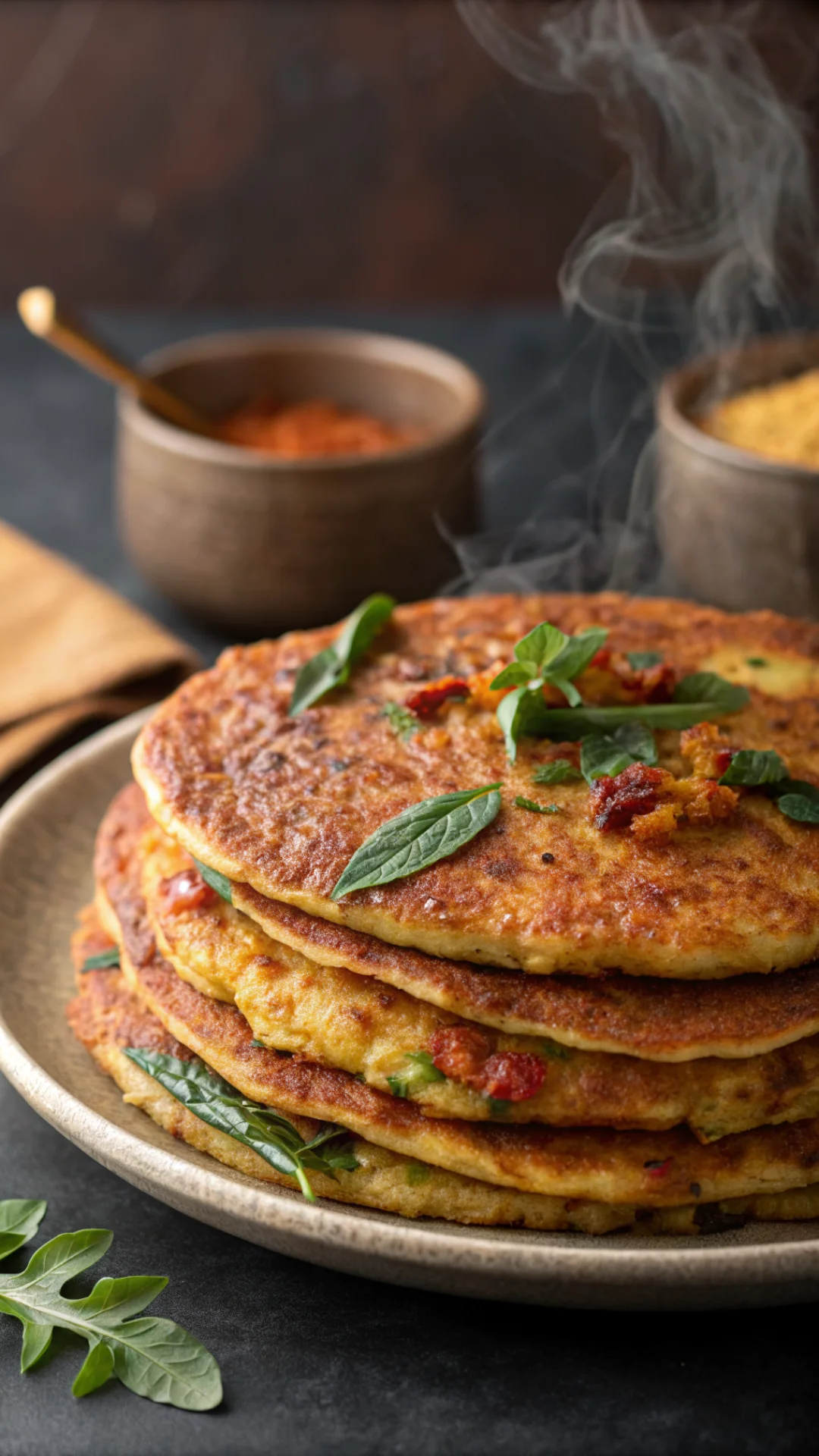
Once you’ve mastered the basic foxtail millet dosa recipe, there are countless ways to customize it. Try adding finely chopped onions, green chilies, curry leaves, and ginger directly to the batter before spreading it on the tawa for a flavorful onion foxtail millet dosa. You can also mix in grated carrots, finely chopped spinach, or beetroot for added nutrition and vibrant colors.
These vegetable-loaded versions make excellent breakfast options for children who might be picky about eating vegetables.
Another interesting variation is to make instant foxtail millet dosa using foxtail millet flour. Simply mix equal parts foxtail millet flour and rice flour with yogurt, water, and salt to create a batter. Let it rest for 30 minutes and make dosas immediately without fermentation.
While this version lacks the probiotic benefits of fermented dosas, it’s perfect for when you’re short on time but still want a healthy breakfast option.
Frequently Asked Questions
Can I make foxtail millet dosa without urad dal?
While urad dal is traditional and helps create the signature texture and fermentation, you can make dosas without it. Replace urad dal with soaked poha (flattened rice) or use foxtail millet flour mixed with yogurt. However, the texture will be different, and fermentation may take longer. Urad dal contributes to the protein content and helps achieve the characteristic crispy-yet-soft texture.
Why is my foxtail millet dosa batter not fermenting?
Several factors affect fermentation: cold temperature is the most common culprit. Ensure your batter is kept in a warm environment (75-85°F or 24-29°C). If you live in a cold climate, place the batter in a preheated oven with just the light on or use a yogurt maker. Also, check that your grains were fresh and properly soaked. Old grains or insufficient soaking can hinder fermentation.
How do I prevent foxtail millet dosas from sticking to the pan?
A properly heated and seasoned pan is key. Ensure your tawa is sufficiently hot before pouring the batter. For cast-iron pans, season them well by rubbing with oil. Use a non-stick tawa if you’re still learning. The batter consistency also matters—if it’s too thick, dosas will stick. Add a little water to achieve a pourable consistency. Finally, use adequate oil or ghee while cooking for easy release and crispy texture.
Final Thoughts
This foxtail millet dosa recipe is a wonderful way to incorporate ancient grains into your modern diet without sacrificing taste or texture. With its impressive nutritional profile, crispy texture, and delicious flavor, this healthy alternative to traditional rice dosas deserves a permanent place in your breakfast rotation. Whether you’re exploring millet recipes for health reasons or simply looking to diversify your morning meals, these dosas will delight your taste buds while nourishing your body. Give this recipe a try, and you’ll discover why foxtail millet has been a staple grain for centuries across India.
Foxtail Millet Dosa
Ingredients
- 1 cup Foxtail millet
- ½ cup Urad dal (split black gram)
- 1 teaspoon Fenugreek seeds
- 1 teaspoon Salt or to taste
- Water as needed for grinding
- Oil or ghee for cooking
Instructions
- Wash and soak foxtail millet in one bowl for 4-6 hours. In a separate bowl, soak urad dal and fenugreek seeds together for 4-6 hours.
- Drain urad dal and fenugreek seeds. Grind them with 1/2 cup water to a smooth, fluffy batter. Transfer to a large fermentation vessel.
- Drain foxtail millet and grind with 3/4 cup water to a smooth batter. Add this to the urad dal batter.
- Mix both batters thoroughly with your hands. Cover and ferment in a warm place for 8-12 hours or overnight until doubled in volume.
- Add salt to the fermented batter and mix gently. Adjust consistency with water if needed to achieve a pourable buttermilk-like consistency.
- Heat a dosa tawa over medium-high heat. Reduce to medium once hot.
- Pour a ladleful of batter in the center and spread in circular motions to form a thin round dosa.
- Drizzle oil or ghee around edges and on top. Cook for 2-3 minutes until the bottom turns golden and crispy.
- Flip and cook the other side for 1-2 minutes until lightly golden.
- Remove from tawa and serve hot with coconut chutney, sambar, or your favorite accompaniment.