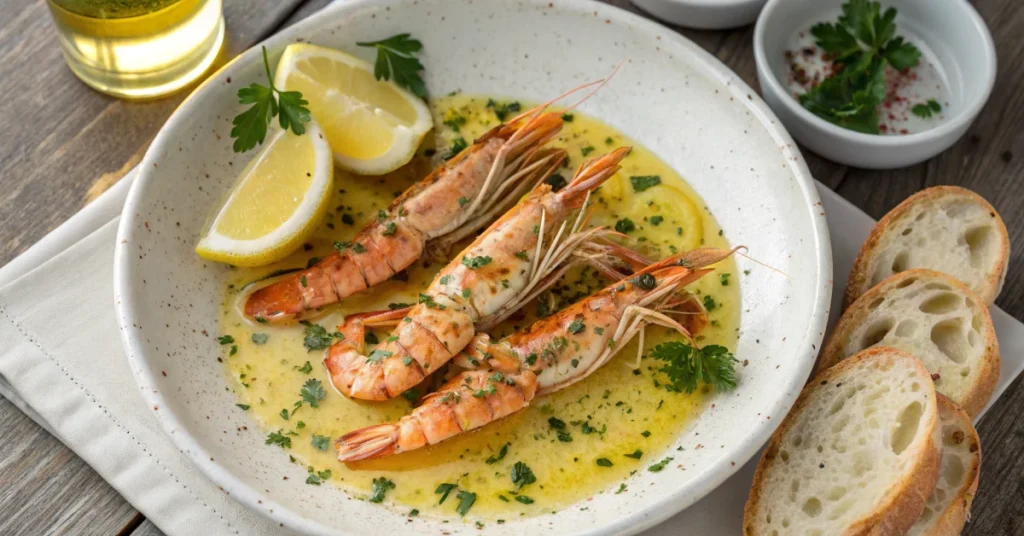
There’s something truly special about cooking with langoustines—these delicate, sweet crustaceans bring an instant touch of elegance to any meal.
If you’ve ever wondered how to prepare langoustine recipe dishes at home, you’re in for a treat. With their tender meat and naturally buttery flavor, langoustines require minimal fuss to shine.
Whether you’re planning a romantic dinner or simply want to elevate your weeknight cooking, this simple yet sophisticated langoustine recipe will guide you through creating restaurant-quality results in your own kitchen.
Why You’ll Love This Langoustine Recipe
This langoustine recipe delivers impressive results with surprisingly little effort. The preparation is straightforward enough for beginners, yet the final dish looks and tastes like something from a high-end seafood restaurant.
You’ll love how quickly these cook—just minutes in the pan—making them perfect for entertaining when you want to spend more time with guests and less time in the kitchen.
Ingredients for Langoustine Recipe
| Ingredient | Amount |
|---|---|
| Fresh langoustines | 1 pound (450 g) |
| Unsalted butter | 4 tablespoons |
| Garlic cloves, minced | 4 cloves |
| Fresh parsley, chopped | 3 tablespoons |
| Fresh lemon juice | 2 tablespoons |
| White wine | 1/4 cup |
| Extra virgin olive oil | 2 tablespoons |
| Sea salt | To taste |
| Black pepper, freshly ground | To taste |
| Red pepper flakes (optional) | 1/4 teaspoon |
| Lemon wedges for serving | 4 wedges |
How To Make Langoustine Recipe
- Begin by preparing your langoustines. If they’re whole, use kitchen scissors to cut along the underside of the tail and carefully remove the meat, keeping it intact. Alternatively, you can cook them in their shells for a more rustic presentation. Pat them dry with paper towels and set aside.
- Heat the olive oil in a large skillet over medium-high heat. Once the oil is shimmering but not smoking, add the langoustine tails. Cook for 2 minutes without moving them to develop a light golden color on one side.
- Flip the langoustines carefully and cook for another 1-2 minutes until they turn opaque and are just cooked through. Remove them from the pan and set aside on a warm plate—don’t overcook or they’ll become tough.
- Reduce the heat to medium and add the butter to the same pan. Once melted and foaming, add the minced garlic and cook for 30 seconds, stirring constantly until fragrant but not browned.
- Pour in the white wine, scraping up any flavorful bits from the bottom of the pan. Let it simmer for 1-2 minutes to reduce slightly and cook off the alcohol.
- Return the langoustines to the pan along with the lemon juice, chopped parsley, and red pepper flakes if using. Toss everything together gently to coat the langoustines in the buttery sauce. Season with salt and black pepper to taste.
- Transfer to a serving platter immediately, drizzle with all the pan sauce, and garnish with fresh lemon wedges and extra parsley. Serve hot with crusty bread for soaking up the delicious sauce.
Tips and Tricks
- Always buy the freshest langoustines possible—look for bright eyes, firm texture, and a sweet ocean smell. Avoid any with ammonia odors or mushy spots.
- Don’t overcrowd the pan when cooking. Work in batches if necessary to ensure proper searing and even cooking throughout.
- Keep a close eye on cooking time. Langoustines cook incredibly fast, and the difference between perfectly tender and rubbery is just 30-60 seconds.
- Room temperature langoustines cook more evenly than cold ones straight from the fridge. Let them sit out for 10-15 minutes before cooking.
- If using frozen langoustines, thaw them overnight in the refrigerator, never at room temperature or in warm water.
- Save the shells and heads to make a flavorful seafood stock for risottos, soups, or sauces later.
- Add a tablespoon of heavy cream to the sauce for an even richer, more luxurious finish.
Delicious Variations to Try
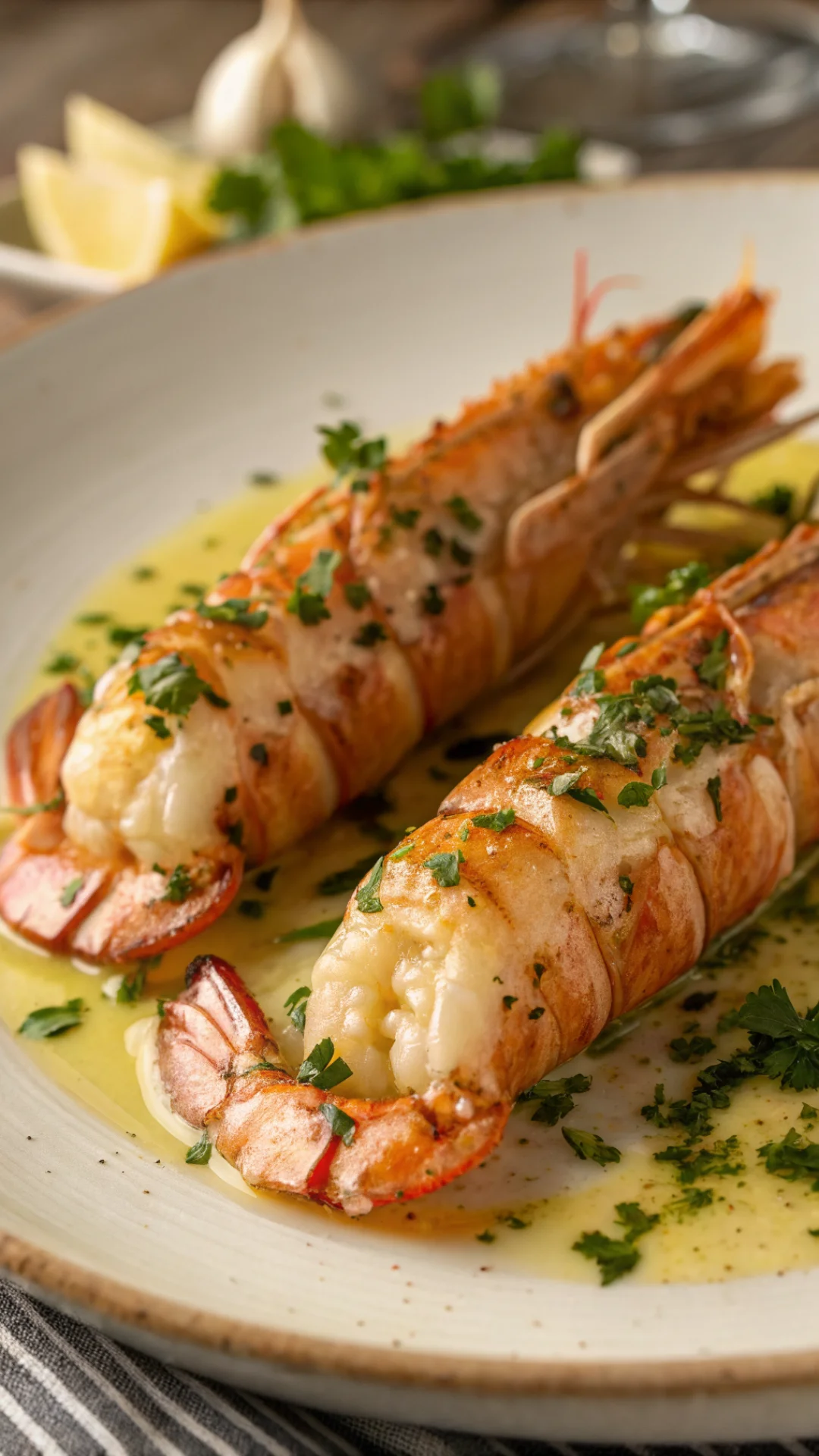
Transform this basic langoustine recipe into something entirely different by exploring various flavor profiles. For a Mediterranean twist, add cherry tomatoes, capers, and fresh basil to the garlic butter sauce, finishing with a splash of balsamic glaze.
If you’re craving Asian-inspired flavors, swap the butter for sesame oil and add ginger, soy sauce, and a touch of honey, garnishing with cilantro and sesame seeds. A Spanish-style preparation works beautifully too—cook the langoustines with smoked paprika, chorizo, and saffron for a taste of the coast.
For a lighter preparation, grill the langoustines instead of pan-frying them. Split them lengthwise, brush with herb-infused olive oil, and cook shell-side down over medium-high heat for 3-4 minutes. The smoky char adds wonderful depth to their natural sweetness.
Frequently Asked Questions
Can I use frozen langoustines for this recipe?
Yes, frozen langoustines work well if fresh aren’t available. Thaw them slowly in the refrigerator overnight, drain any excess liquid, and pat them completely dry before cooking. While fresh langoustines have a slightly superior texture and sweetness, quality frozen ones are still delicious and much more accessible in many areas.
What’s the difference between langoustines and shrimp?
Langoustines are actually more closely related to lobsters than shrimp. They have longer, narrower claws and a sweeter, more delicate flavor. The meat is also more tender and refined compared to shrimp. Langoustines are typically more expensive and considered a premium ingredient in fine dining, while shrimp are more widely available and affordable.
How do I know when langoustines are perfectly cooked?
Perfectly cooked langoustines turn from translucent to opaque white with slight pink tones, and the meat should feel firm but still slightly springy to the touch. They typically need only 3-4 minutes total cooking time. If they curl tightly or feel very firm and rubbery, they’ve been overcooked. It’s better to slightly undercook them as they’ll continue cooking briefly after leaving the heat.
Final Thoughts
This langoustine recipe proves that the most impressive dishes often require the simplest preparations. By focusing on quality ingredients and respecting the delicate nature of these beautiful crustaceans, you’ll create a meal that tastes like it came from a coastal European bistro.
Whether you’re celebrating a special occasion or treating yourself to something extraordinary, langoustines cooked in garlic butter never disappoint. Serve them with good wine, great company, and plenty of bread for mopping up that irresistible sauce.
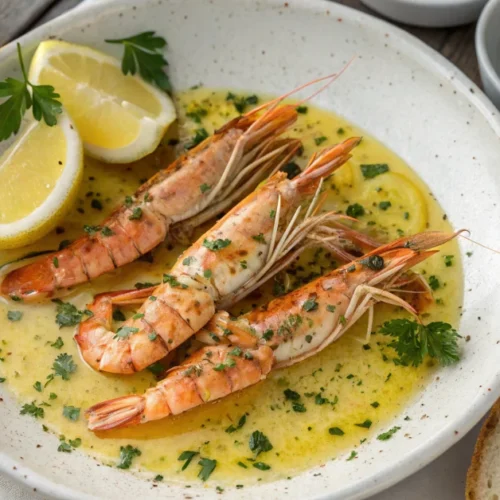
Garlic Butter Langoustines
Ingredients
- 1 pound fresh langoustines 450g
- 4 tablespoons unsalted butter
- 4 cloves garlic, minced
- 3 tablespoons fresh parsley, chopped
- 2 tablespoons fresh lemon juice
- ¼ cup white wine
- 2 tablespoons extra virgin olive oil
- sea salt to taste
- black pepper, freshly ground to taste
- ¼ teaspoon red pepper flakes optional
- 4 wedges lemon for serving
Instructions
- Prepare langoustines by cutting along the underside of the tail with kitchen scissors and removing the meat, or leave in shells. Pat dry with paper towels.
- Heat olive oil in a large skillet over medium-high heat. Add langoustine tails and cook for 2 minutes without moving.
- Flip langoustines and cook for another 1-2 minutes until opaque. Remove from pan and set aside on a warm plate.
- Reduce heat to medium, add butter to the pan. Once melted, add minced garlic and cook for 30 seconds, stirring constantly until fragrant.
- Pour in white wine and simmer for 1-2 minutes to reduce slightly, scraping up any flavorful bits from the pan bottom.
- Return langoustines to pan with lemon juice, parsley, and red pepper flakes if using. Toss gently to coat. Season with salt and pepper to taste.
- Transfer to serving platter immediately, drizzle with pan sauce, garnish with lemon wedges and extra parsley. Serve hot with crusty bread.